Lifting and manual handling equipment is subject to a set of complex rules and regulations regarding its safe and proper use. Even those with decades of industry experience can often find themselves confused, especially when it comes to LOLER. As a business owner or responsible person, you must take the necessary steps to operate in accordance with UK law, so it’s essential to find an experienced, qualified crane LOLER testing provider. Our personnel happily visit locations in the West Midlands, the West Country, and the wider UK.
If you need LOLER or HIAB testing at your site, please call us on 01932 245 161 (choose option 3) to schedule a date and time that is convenient for you. We also provide a comprehensive crane repair service.
LOLER refers to the Lifting Operations and Lifting Equipment Regulations. These regulations ensure the safe use of all lifting equipment. In short, if you or your employees operate lifting equipment at work, the operation must comply with LOLER. All this falls under the umbrella of the Health and Safety at Work Act.
In practice, LOLER requires proper planning for your lifting operations. Furthermore, they must have a ‘competent person’ supervising. In addition, LOLER also requires all lifting equipment to undergo regular inspection by a qualified technician, ensuring it remains fit for purpose.

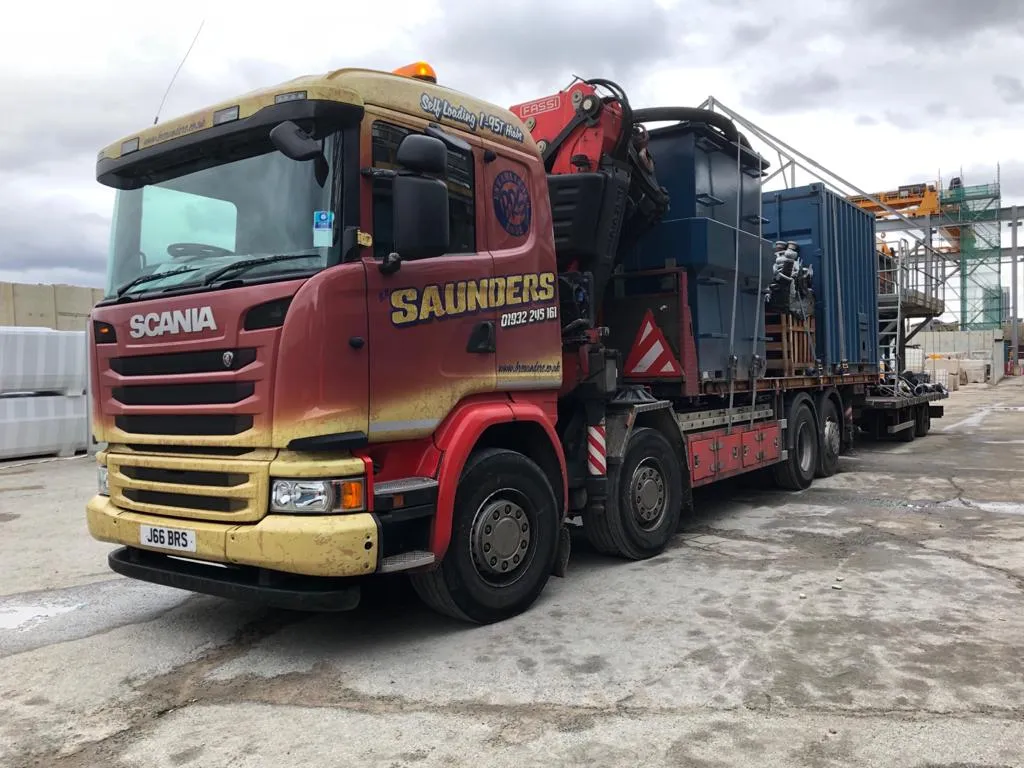

The responsibility for these examinations lies with the business that owns or rents the equipment.
Following testing, we mark your equipment and provide an inspection report for your records. Where necessary, we report any defects to you and to the enforcing authority. For industrial workplaces, this is the HSE.
Please note that crane LOLER testing is not the same as routine crane service, maintenance work, replacing damaged or worn parts, or minor adjustments or topping up fluid levels.
Speak to one of our team members today or send a message by completing the form submission below
Get A Quote












Fully Compliant Testing
Installed and positioned to minimise risks
Stable and strong enough for the intended use
Marked to indicate safe working loads
Used safely, i.e. work planned and performed by competent staff